
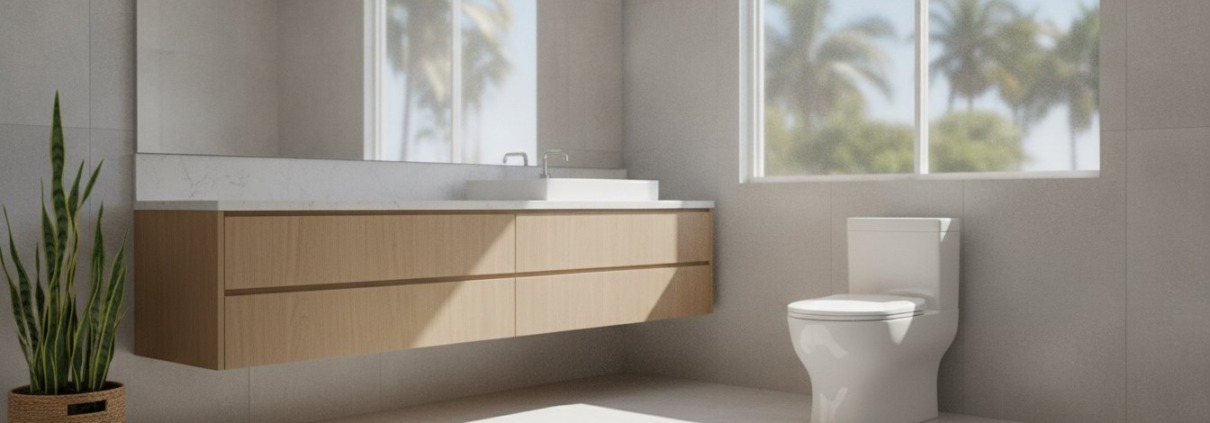
One Piece vs Two Piece Toilet: The Ultimate 2026 Comparison Guide
Have you ever spent your Saturday morning scrubbing that narrow, impossible gap between your toilet tank and bowl, wondering if there’s a better way to design a bathroom? It’s a common frustration for many of the 14% of homeowners planning a remodel this year, especially when you’re trying to balance the sleek look of a modern vanity with the practical realities of household maintenance. You want a fixture that offers aesthetic validation to your guests while ensuring you aren’t constantly worried about a failing tank-to-bowl gasket or hidden leaks that can ruin your flooring.
In this one piece vs two piece toilet comparison guide, you’ll discover the critical differences in design, installation, and long-term reliability to help you choose the perfect fixture for your 2026 renovation. We’ll break down everything from the 1.28 GPF water efficiency standards required here in Los Angeles to which style best complements your new luxury vanity or minimalist wall-mount setup. By the end, you’ll have the confidence to select a toilet that provides both high-end design and the practical security of a reliable, long-term investment for your home.
Key Takeaways
- Master the structural differences between unibody and modular designs to ensure your new fixture aligns with your home’s long-term maintenance goals.
- Evaluate the one piece vs two piece toilet trade-offs to see how a seamless silhouette can elevate your modern vanity while saving you hours of deep cleaning.
- Prepare for the practical realities of installation, from managing the weight of premium fixtures to preventing the common tank-to-bowl leaks found in traditional models.
- Stay ahead of 2026 Los Angeles plumbing codes by learning how to select 1.28 GPF models that maximize space in compact urban bathrooms.
Understanding the Basics: What Defines One-Piece and Two-Piece Toilets?
Are you standing in your bathroom, tape measure in hand, trying to decide which fixture will truly anchor your remodel? Choosing between a one piece vs two piece toilet is one of the most significant decisions you’ll make for your space. It isn’t just about how the water flushes; it’s about how the fixture integrates into your daily life and your home’s overall aesthetic. In our Sun Valley showroom, we often see homeowners gravitating toward the “integrated look” for 2026. This trend favors sleek, continuous lines that make a bathroom feel like a high-end spa rather than a utility room. This shift is particularly visible in modern Los Angeles homes where every square inch of design matters.
Historically, the two-piece toilet has been the industry standard for mass production. It was easier for manufacturers to cast two smaller pieces of porcelain than one large, complex shape. Shipping was simpler, and stocking parts was more efficient. However, as modern toilet technology has evolved, the manufacturing of unibody porcelain has become a hallmark of premium craftsmanship. Understanding the structural DNA of these two options is the first step in ensuring your investment stands the test of time.
The Anatomy of a One-Piece Toilet
A one-piece toilet is defined by its seamless, unibody construction. The tank and bowl are fused together during the firing process, creating a single solid object. This lack of a seam means there are no joints where leaks can develop over time. It also eliminates the “grime gap” where dust and bacteria typically settle. Because the porcelain is cast as a continuous unit, these fixtures are exceptionally heavy. They often weigh over 100 pounds, making them a heavy-duty choice that feels incredibly stable once installed. Many homeowners prefer them for their low-profile tank designs, which sit perfectly beneath custom shelving or alongside a minimalist wall-mount vanity.
The Modular Architecture of Two-Piece Toilets
The traditional two-piece model relies on a modular architecture. The tank and the bowl are two separate components, joined together by a tank-to-bowl gasket and a set of heavy-duty bolts. This design offers a unique advantage in versatility; if a heavy object ever cracks the tank, you can replace just that component without ripping out the entire base. These models also follow highly standardized sizing, which ensures they fit into almost any traditional plumbing rough-in. While they require a bit more attention during the initial seal to prevent future drips, they remain a reliable and approachable choice for many classic bathroom layouts.
Direct Comparison: Aesthetics, Cleaning, and Performance
When you visualize your dream bathroom, does it feature clean, uninterrupted lines or a more traditional, modular look? The aesthetic impact of your choice is immediate. One-piece toilets provide a sleek, contemporary silhouette that serves as a focal point for high-end remodels. Because the tank and bowl are sculpted from a single piece of porcelain, the design feels intentional and cohesive. In contrast, two-piece models offer a classic profile that many homeowners find comforting, though they lack the streamlined “furniture-like” quality that defines modern 2026 trends. Beyond the surface, the performance of a one piece vs two piece toilet often comes down to the sophistication of the internal trapway. While both styles can utilize high-efficiency WaterSense labeled toilets technology to meet California’s 1.28 GPF standards, one-piece models often feature fully skirted trapways that hide internal plumbing and boost flushing velocity.
Durability is another area where the unibody design shines. By removing the tank-to-bowl gasket, you effectively eliminate the most common point of failure in residential plumbing. You won’t have to worry about the rubber seal degrading over time or the bolts loosening and causing a slow, floor-damaging leak. It’s a “set it and forget it” solution that provides the practical security every homeowner deserves.
The Hygiene Advantage: Why One-Piece Wins for Cleanliness
If you’re tired of deep-cleaning your bathroom, the hygiene benefits of a one-piece model are transformative. Two-piece toilets naturally have a seam where the tank meets the bowl, creating a dark, damp breeding ground for bacteria, mold, and mildew. This “grime gap” is notoriously difficult to reach with a standard sponge or brush. Seamless porcelain prevents this buildup entirely, ensuring that your cleaning routine takes minutes rather than hours. For families with young children, the one-piece design offers superior hygienic protection by removing the hidden crevices where germs tend to linger.
Style Integration: Matching Your Fixture to Your Vanity
Your toilet shouldn’t be an afterthought; it should complement your cabinetry. A one-piece toilet is the perfect partner for modern bathroom vanities, especially those with minimalist hardware or high-gloss finishes. If you’ve selected a 48-inch single sink vanity for your guest suite, a low-profile one-piece toilet creates a “floating” effect that makes the entire room feel more spacious. The reduced height of many one-piece tanks allows them to sit comfortably under extended countertops, providing a custom, built-in look that impresses every visitor. To see how these fixtures look when paired with our latest designs, you can explore our curated vanity collections to find your perfect match.

Installation and Maintenance: Practical Realities for Homeowners
Have you considered how you’ll physically move your new fixture into your second-floor master suite or navigate the narrow hallways of a historic Los Angeles bungalow? While the debate of one piece vs two piece toilet often centers on visual appeal, the physical reality of the installation process is where your project plan meets the road. A one-piece toilet is a formidable piece of engineering, often weighing well over 100 pounds. This concentrated weight makes it a literal heavy-lift for any solo DIY enthusiast. In contrast, two-piece models arrive in separate, manageable boxes, allowing you to carry the bowl and tank individually. This modularity is much kinder to your back, though it does increase the surface area for potential shipping damage if the handling isn’t meticulous.
Don’t let the sleek exterior of a premium one-piece model intimidate you when it comes to internal repairs. Most contemporary designs use standardized fill valves and flappers that are easily accessible at any local hardware store. The real maintenance difference lies in the external structure, where the one-piece design offers a “set it and forget it” reliability that two-piece models simply can’t match over several decades of use.
The DIY Installation Challenge
If you’re tackling a remodel in a tight Santa Monica apartment or a compact guest bath, maneuvering a 110-pound unibody unit around a narrow doorframe requires precision and, ideally, a second set of hands. We always recommend professional assistance for these luxury models to ensure the wax ring sets perfectly on the first try, as the sheer weight of the porcelain can make it difficult to feel if the unit is seated correctly. If a one-piece unit isn’t leveled perfectly, you risk persistent leaks or rocking that can eventually crack the flange, a headache that is much easier to avoid with a lighter, two-piece setup during the initial dry fit.
Long-Term Maintenance and Repair Costs
Why do so many homeowners eventually find themselves frustrated with their traditional two-piece choice? It usually comes down to the “Gasket Factor,” which is the inevitable degradation of the rubber seal between the tank and the bowl. After about ten years of service, these seals often begin to weep, leading to slow leaks that can damage your subfloor if left unnoticed. One-piece toilets are considered “lifetime” fixtures because they eliminate this failure point entirely. If you’ve heard the myth that a one-piece unit is impossible to fix if the porcelain chips, you’ll be happy to know that modern porcelain repair kits can buff out minor surface abrasions, ensuring your investment remains the centerpiece of your bathroom for years to come.
The Los Angeles Selection Guide: Water, Space, and Regulations
Navigating the specific plumbing codes of Los Angeles County doesn’t have to be a headache for your upcoming remodel. Whether you’re refreshing a beachside Santa Monica condo or a sprawling Valley estate, every new fixture must adhere to the 2026 CalGreen standards. This means a mandatory flush volume of 1.28 gallons per flush (GPF). When weighing a one piece vs two piece toilet, you’ll find that both styles have evolved to meet these critical eco-conscious requirements. However, one-piece models often lead the way in integrating sophisticated dual-flush technology, allowing you to choose between a full or partial flush with a simple, sleek button integrated into the tank lid.
Space is a premium in our local market. In many urban apartments, saving even two inches can be the difference between a door that swings freely and one that hits the porcelain. Compact one-piece toilets often feature a shorter depth because the tank and bowl are engineered as a single, space-saving unit. This makes them a significant “value-add” for high-end LA real estate listings, where buyers look for the kind of smart, efficient design that justifies a premium price point. Seeing these fixtures in person at our Sun Valley showroom is the best way to “test-sit” and ensure the ergonomics match your specific height and comfort needs.
Water Conservation in Southern California
Staying compliant with drought-resistant plumbing standards is a responsibility we all share here in Southern California. Modern one-piece toilets are particularly effective at maximizing every drop, often exceeding the basic 1.28 GPF requirements through superior internal glazing that prevents waste from sticking. To ensure your new fixture fits your layout, we recommend reviewing our bathroom vanity sizes guide. Matching the footprint of your toilet to your vanity ensures your bathroom remains functional and visually balanced, preventing that cramped feeling so common in rushed DIY projects.
Choosing for the “Guest Powder Room” vs. “Master Suite”
Your selection strategy should shift depending on the room’s purpose and the social validation you want to achieve. A two-piece toilet is an excellent, budget-friendly choice for a low-traffic guest bath where functionality is the priority. However, for a master suite renovation, the “wow factor” of a sleek one-piece fixture is unmatched. It provides that aesthetic validation that will impress your social circle and turn your daily routine into an inspiring creative journey. If you’re looking to balance your budget, consider pairing a high-end one-piece toilet with a stunning 48 inch bathroom vanity to create a cohesive, luxury look without overspending on every single item.
Ready to transform your bathroom into a modern sanctuary that meets all local regulations? Visit Milan Gallery Bathroom Vanities today to explore our curated selection of high-performance toilets and designer vanities.
Final Verdict: Which Toilet Should You Buy at Milan Gallery Bathroom Vanities?
Deciding on the right fixture for your home is about more than just plumbing; it’s about how you want to feel in your space every single day. Choosing between a one piece vs two piece toilet eventually comes down to your priorities for maintenance, style, and long-term investment. If you’re pursuing the “One-Piece Lifestyle,” you’re choosing a fixture that offers the ultimate in hygiene, a striking contemporary silhouette, and the peace of mind that comes from a unibody design with no external gaskets to fail. It’s the choice for those who want their bathroom to serve as a modern sanctuary that impresses every guest who walks through the door.
On the other hand, the “Two-Piece Value” remains a cornerstone of practical home improvement. It’s a dependable, modular solution that fits perfectly into traditional aesthetics and budget-focused projects. At Milan Gallery Bathroom Vanities, we’ve spent over 15 years acting as a dedicated partner to Los Angeles homeowners. We understand that every Santa Monica bungalow and Sun Valley estate has its own unique architectural soul. Our expert staff is here to help you translate your creative vision into a reality that provides both aesthetic validation and functional security.
Expert Recommendations for Your Remodel
To help you finalize your decision, we’ve gathered our top professional insights based on the most common renovation scenarios we see in our showroom:
- Choose a One-Piece Toilet if: You’re remodeling a high-end master suite, you prefer a minimalist or “floating” design, or you want to minimize your weekly cleaning routine by eliminating the tank-to-bowl seam.
- Choose a Two-Piece Toilet if: You’re updating a rental property, working within a strict budget for a guest bath, or your home features a classic “cottage” or traditional design style.
- A final tip: Before you head to the store, always double-check your “rough-in” measurement, usually 12 inches from the wall to the center of the floor bolts, to ensure your new fixture fits perfectly on the first try.
Complete Your Vision at Our Los Angeles Showroom
Your journey toward a beautiful home shouldn’t be an overwhelming chore; it should be an inspiring creative process. We invite you to visit our Sun Valley showroom to experience the tactile quality of our premium porcelain first-hand. While you’re here, you can see how our toilets pair with our collection of luxury freestanding bathtubs to create a cohesive spa-like atmosphere. We take pride in being one of the premier bathroom supply stores in the region, offering a one-stop-shop experience where you can match your new toilet with over 100 different vanity styles. Stop by Milan Gallery Bathroom Vanities today for a personalized design consultation and let us help you build a bathroom that stands as a testament to your style and discernment.
Step Into Your New Designer Bathroom Today
Are you ready to finalize your renovation and start enjoying the aesthetic validation of a truly modern bathroom? Your choice between a one piece vs two piece toilet is the final piece of the puzzle in creating a home that reflects your discerning taste and commitment to quality. Whether you’ve prioritized the seamless cleanliness of a unibody design or the traditional reliability of a modular unit, ensuring your selection meets the 1.28 GPF CalGreen standards will guarantee your remodel is as sustainable as it is beautiful.
We’re here to help you navigate these final choices with the professional reassurance you deserve. Visit the Milan Gallery Bathroom Vanities Showroom in Sun Valley to See Our One-Piece Toilet Collection and experience the difference that 15 years of Los Angeles remodeling expertise can make for your project. Our massive showroom features exclusive designs and the specialized knowledge in water efficiency compliance needed to ensure your home is ready for 2026. At Milan Gallery Bathroom Vanities, we’re proud to be your partner in this creative journey, and we can’t wait to help you complete your vision.
Frequently Asked Questions
Is a one-piece toilet more expensive to install than a two-piece?
Installation costs for a one-piece toilet are typically higher because the unit’s unibody construction makes it significantly heavier than its modular counterpart. While a professional plumber can manage a two-piece install alone, the 100-plus pound weight of a premium one-piece model often requires a two-person team to ensure the wax ring is seated perfectly without cracking the porcelain. It’s a small upfront investment that pays off by preventing future leaks and ensuring your high-end fixture is leveled correctly from day one.
Do one-piece toilets flush better than two-piece models?
Flushing power is largely determined by the internal valve technology and trapway design rather than whether the toilet is one or two pieces. However, many premium one-piece models feature fully glazed trapways and advanced jet systems that offer a more powerful rinse than entry-level two-piece units. If you select a high-performance model from our Sun Valley showroom, you’ll find that the integrated design often allows for a more efficient water path, providing a reliable flush that meets all local standards.
What happens if the tank on a one-piece toilet cracks?
If the tank on a one-piece toilet suffers a structural crack, the entire fixture must be replaced because the tank and bowl are fused into a single permanent unit. This is the primary trade-off for that beautiful, seamless look you’ve been dreaming of for your master suite. While porcelain is incredibly durable and resistant to daily wear, you should always treat these unibody fixtures as lifetime investments that require careful handling during any bathroom maintenance or adjacent tile work.
Are two-piece toilets considered “outdated” for modern LA homes?
Two-piece toilets aren’t outdated, but they serve a different aesthetic and functional purpose than the sleek one-piece models currently trending in high-end Los Angeles remodels. While the modular design is a traditional staple that works beautifully in cottage-style homes or guest baths, the one-piece silhouette is the preferred choice for achieving that “integrated” look found in contemporary luxury residences. If you want your bathroom to feel like a high-end spa, the one-piece is the modern standard for 2026.
Can I replace a two-piece toilet with a one-piece model easily?
You can easily replace a traditional two-piece toilet with a one-piece model as long as you verify that the rough-in measurement matches your existing plumbing. Most Los Angeles homes utilize a standard 12-inch rough-in, which is the distance from the finished wall to the center of the floor bolts. If your measurements align, the transition to a one piece vs two piece toilet is a straightforward upgrade that immediately elevates the sophistication and hygiene of your entire bathroom layout.
How do I know if a toilet is compliant with California water laws?
Compliance with California water laws is verified by checking for a flush volume of 1.28 gallons per flush (GPF) or the presence of the EPA WaterSense label. All new fixtures sold for the Los Angeles market in 2026 must meet these strict drought-resistant standards to ensure long-term environmental sustainability. When you shop our curated collection, you can rest assured that every model is engineered to provide maximum performance while strictly adhering to current CalGreen and LADBS efficiency requirements.
Which toilet style is better for a small bathroom layout?
A one-piece toilet is usually the superior choice for a small bathroom layout because its integrated tank and bowl often result in a more compact footprint. By saving just an inch or two in depth, you can create a more comfortable clearance for your vanity or shower door in tight Santa Monica apartments. The lower profile of the tank also helps the room feel less cluttered, providing a sense of openness that traditional, bulkier two-piece models simply can’t offer.
Do one-piece toilets require special repair parts?
Most modern one-piece toilets don’t require special repair parts and utilize the same standardized fill valves and flappers found in traditional models. While the exterior of the one piece vs two piece toilet looks vastly different, the internal mechanics are designed for accessibility and ease of maintenance. You’ll find that keeping your luxury fixture in peak condition is a simple process, as most high-quality internal components are readily available at any local bathroom supply store or home improvement center.